
The Growing Role of ACCA Professionals in Corporate Governance and Risk Management


Introduction
Corporate governance and risk management have become defining priorities for organizations operating in an increasingly complex and scrutinized business environment. Regulatory expectations are rising, stakeholders demand greater transparency, and even a single governance failure can cause lasting reputational and financial damage. In recent years, corporate scandals across sectors have demonstrated that weak governance structures and poorly managed risks can destabilize organizations that otherwise appear financially strong.
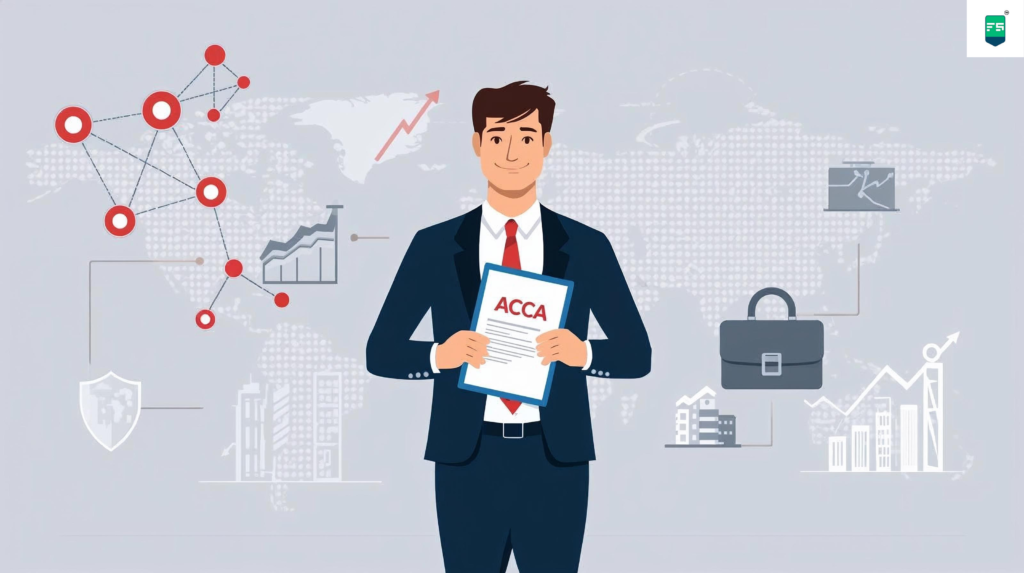
In this context, ACCA professionals are emerging as key contributors to stronger governance and more resilient risk management frameworks. With their deep understanding of financial reporting, audit, ethics, compliance, and business strategy, ACCA members bring a balanced perspective that aligns operational realities with long-term organizational responsibility. Their ability to combine technical expertise with professional judgment makes them invaluable in ensuring that governance systems are not only compliant on paper but effective in practice.
Supporting this growing responsibility, platforms like Finstreet help ACCA aspirants and professionals translate theoretical knowledge into real-world impact. By focusing on applied finance, governance frameworks, and risk-based thinking, Finstreet prepares ACCA professionals to operate confidently in environments where strong governance is essential for sustainable growth.
Why Corporate Governance and Risk Management Demand Greater Attention
Corporate governance defines how organizations are directed, controlled, and held accountable, while risk management ensures that uncertainties threatening business objectives are identified and addressed in a timely manner. When these systems fail, the consequences extend far beyond financial losses. Trust erodes among investors, employees lose confidence in leadership, regulators impose penalties, and long-term growth prospects weaken.
Many corporate failures reveal similar underlying issues. Boards lack clear visibility into financial and operational risks, internal controls exist but are not actively monitored, and ethical concerns are ignored in pursuit of short-term performance targets. These weaknesses often remain hidden until external shocks or audits bring them to light. As a result, organizations are now re-evaluating who they rely on to safeguard governance integrity and manage risk effectively.
This shift has placed ACCA professionals at the center of governance conversations. Their training equips them to understand how financial decisions, risk exposure, and ethical considerations intersect, allowing them to identify vulnerabilities early and guide organizations toward more disciplined and transparent practices.
Why ACCA Professionals Are Increasingly Trusted in Governance Roles
The ACCA qualification is globally recognized for its comprehensive coverage of accounting, auditing, financial management, ethics, and strategic decision-making. Unlike narrowly defined finance roles, ACCA professionals are trained to think holistically about business performance, accountability, and sustainability.
Financial Reporting and Transparency
Transparent financial reporting forms the foundation of strong corporate governance. ACCA professionals play a critical role in ensuring that financial statements accurately reflect an organization’s performance and position. Their understanding of international financial reporting standards and disclosure requirements allows them to identify aggressive accounting practices, challenge unrealistic assumptions, and promote clarity in reporting.
By ensuring consistency, accuracy, and transparency in financial information, ACCA professionals enable boards and stakeholders to make informed decisions. This reduces the risk of misrepresentation and strengthens confidence in corporate disclosures, which is essential in maintaining investor trust.
Internal Controls and Accountability
Weak internal controls are a recurring cause of governance failures. ACCA professionals contribute significantly by designing, implementing, and reviewing control systems that protect organizational assets and reduce the likelihood of fraud or operational errors. Their involvement ensures that controls are aligned with actual business risks rather than existing only as procedural formalities.
Through regular monitoring, testing, and improvement of internal controls, ACCA professionals help organizations create a culture of accountability. This not only supports compliance but also enhances operational efficiency and reinforces ethical behavior across departments.
Risk Management as a Strategic Function
Risk management has evolved from a reactive function into a strategic discipline. Organizations now face a wide range of risks, including financial volatility, regulatory changes, technological disruption, and reputational threats. ACCA professionals are trained to identify, assess, and prioritize these risks in a structured manner.
Their ability to link risk insights with strategic planning allows management to make decisions that balance opportunity and caution. By integrating risk management into budgeting, forecasting, and performance evaluation, ACCA professionals help organizations remain resilient in uncertain environments.
Ethics and Professional Judgment
Ethical failures are at the heart of many governance breakdowns. ACCA places strong emphasis on ethics and professional conduct, preparing members to exercise sound judgment even under pressure. ACCA professionals are expected to challenge decisions that compromise integrity and long-term sustainability.
By reinforcing ethical standards and promoting responsible decision-making, ACCA professionals help shape organizational cultures where governance principles are actively practiced rather than merely documented.
Learning from Corporate Failures Through an ACCA Perspective
Many corporate scandals reveal that warning signs were present long before issues became public. Financial inconsistencies, risk exposures, and ethical concerns were often visible but not addressed due to weak governance structures or lack of accountability.
ACCA professionals, with their governance-focused training, are well positioned to recognize these warning signs early. Their ability to analyze financial trends, evaluate control effectiveness, and communicate risks clearly to senior leadership plays a critical role in preventing minor issues from escalating into major crises.
How Finstreet Strengthens ACCA Professionals for Governance and Risk Roles
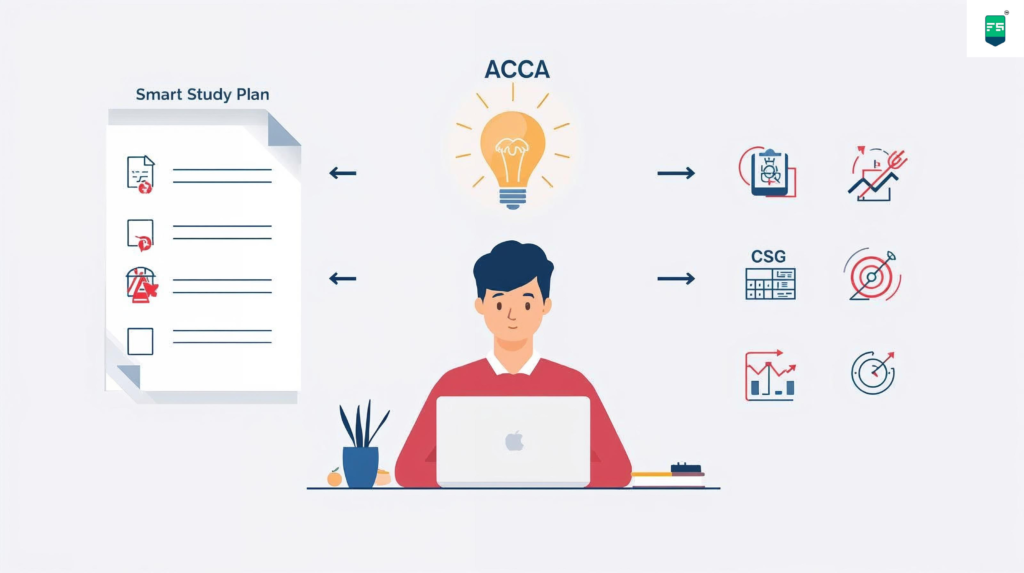
While the ACCA qualification builds a strong theoretical foundation, applying governance principles in real-world environments requires practical exposure. Finstreet bridges this gap by focusing on applied learning that mirrors actual corporate challenges.
Finstreet helps ACCA professionals develop confidence in areas such as financial analysis, governance frameworks, and risk assessment through industry-relevant training. Instead of limiting learning to exam-oriented preparation, Finstreet emphasizes how concepts are used in real organizations, enabling professionals to add value from day one.
Explore programs
https://finstreet.in/courses
Through curated case studies and expert insights, Finstreet exposes ACCA professionals to real examples of governance failures and successful risk management practices. This exposure enhances critical thinking and prepares learners to respond effectively to complex business situations.
Read insights
https://finstreet.in/articles
Finstreet also provides practical tools and resources that support the implementation of governance and risk frameworks in the workplace. These resources help ACCA professionals move from theoretical understanding to practical execution.
Access resources
https://finstreet.in/resources
A Personal Story of ACCA Impact
An ACCA professional working in a fast-growing organization noticed that rapid expansion had increased operational and compliance risks. Reporting systems had not evolved at the same pace, leading to inconsistent data and limited oversight. Recognizing the potential governance implications, the professional initiated improvements in internal controls and risk reporting.
To strengthen practical expertise, the professional pursued advanced training through Finstreet, gaining exposure to real-world governance frameworks and peer learning. Over time, audit findings declined, risk visibility improved, and management gained greater confidence in decision-making. This experience highlights how ACCA professionals, supported by practical learning platforms, can create meaningful governance impact.
Conclusion
Corporate governance and risk management are no longer optional safeguards. They are strategic imperatives in a business environment defined by uncertainty and accountability. ACCA professionals play a vital role in strengthening these areas by combining technical expertise, ethical judgment, and strategic insight.
When supported by applied learning platforms like Finstreet, ACCA professionals move beyond theoretical knowledge and become trusted advisors who help organizations navigate complexity with confidence. As governance expectations continue to rise, the role of ACCA professionals in shaping transparent, resilient, and responsible organizations will only grow stronger.