
How ERP and Digital Transformation Are Reshaping CMA Roles

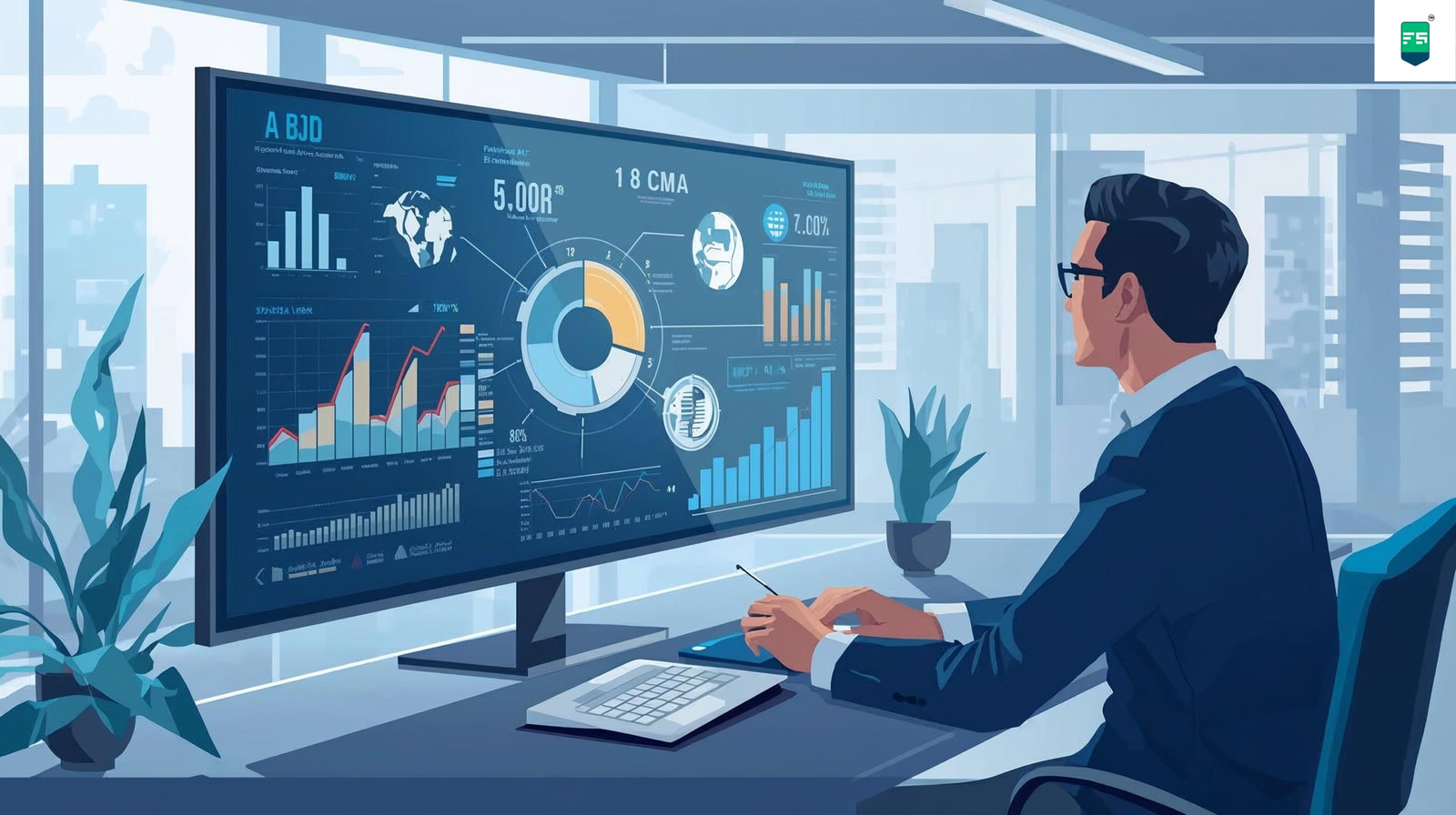
The role of finance professionals is undergoing one of the most significant transformations in recent times. What once revolved around spreadsheets, manual reconciliations, and historical reporting has now shifted toward real time insights, integrated systems, and strategic decision making. At the center of this change are Enterprise Resource Planning systems and large scale digital transformation initiatives that are fundamentally reshaping what organizations expect from Certified Management Accountants or US CMA professionals.
In recent years, businesses across the globe have accelerated their adoption of digital tools. ERP implementations, cloud migration, automation, and analytics driven finance models are no longer optional upgrades. They are business necessities. As a result, CMAs who once focused primarily on cost sheets and variance reports are now expected to interpret dashboards, collaborate with technology and operations teams, and guide leadership using data driven insights. This shift is not reducing the importance of CMAs. Instead, it is expanding their influence and strategic relevance.
This blog explores how ERP and digital transformation are reshaping CMA roles, the skills now demanded from modern CMAs, and why the US CMA qualification fits perfectly into the digital finance era.
From Traditional Accounting to Digital Finance Leadership
Historically, the CMA role was largely inward facing. Finance teams worked with fragmented systems, manually extracted data, and spent a significant portion of time preparing reports that explained past performance. Decision making was often delayed because information moved slowly across departments and systems.
ERP systems completely changed this model. By integrating finance, procurement, inventory, human resources, sales, and operations into one unified platform, ERPs created a single and reliable source of data. For CMAs, this integration meant immediate access to accurate, real time, and cross functional information.
As a result, CMAs today spend far less time validating numbers and far more time interpreting them. Their role has evolved from transactional support to strategic business partnership, where insights directly influence pricing decisions, cost optimization initiatives, capital allocation, and long term planning.
Why ERP Is a Game Changer for US CMAs
ERP systems are not just accounting software. They act as enterprise wide decision platforms. Modern ERP solutions automate routine accounting tasks while embedding compliance, governance, and analytics into everyday processes.
For US CMA professionals, ERP adoption enables faster financial closes, stronger internal controls, improved cost visibility, and better forecasting accuracy. Instead of relying on static reports, CMAs can access live dashboards that reflect business performance as it happens.
This transformation allows CMAs to focus on value creation rather than data compilation. This shift aligns directly with the US CMA curriculum, which emphasizes performance management, strategic planning, and financial decision making rather than bookkeeping.
Digital Transformation Extends Beyond ERP Systems
While ERP systems form the backbone of digital finance, true digital transformation goes much further. Technologies such as automation, artificial intelligence, data analytics, and cloud computing are reshaping finance functions at every level.
Automation tools now handle repetitive activities such as invoice processing, reconciliations, and data extraction. Advanced analytics convert ERP data into predictive insights. Artificial intelligence helps identify anomalies, forecast risks, and improve decision quality.
For CMAs, this means finance is no longer reactive. It becomes predictive and forward looking. Management accounting shifts from explaining the past to shaping the future.
How CMA Responsibilities Are Changing
The impact of ERP and digital transformation is clearly visible in the evolving responsibilities of CMAs.
Traditional CMA Focus vs Digitally Enabled CMA Focus
| Traditional CMA Focus | Digitally Enabled CMA Focus |
| Historical reporting | Real time performance insights |
| Manual reconciliations | Automated system driven controls |
| Cost tracking | Strategic cost optimization |
| Static annual budgets | Rolling forecasts and scenario planning |
| Limited collaboration | Strong cross functional partnership |
This shift reflects a new expectation from organizations. CMAs are no longer seen only as finance specialists. They are strategic advisors who connect financial performance with business outcomes.
Data and Analytics as Core CMA Capabilities
ERP systems generate large volumes of structured financial and operational data. The real value lies not in the data itself but in how it is analyzed and communicated. Modern CMAs are expected to translate complex datasets into clear insights that senior management can act upon.
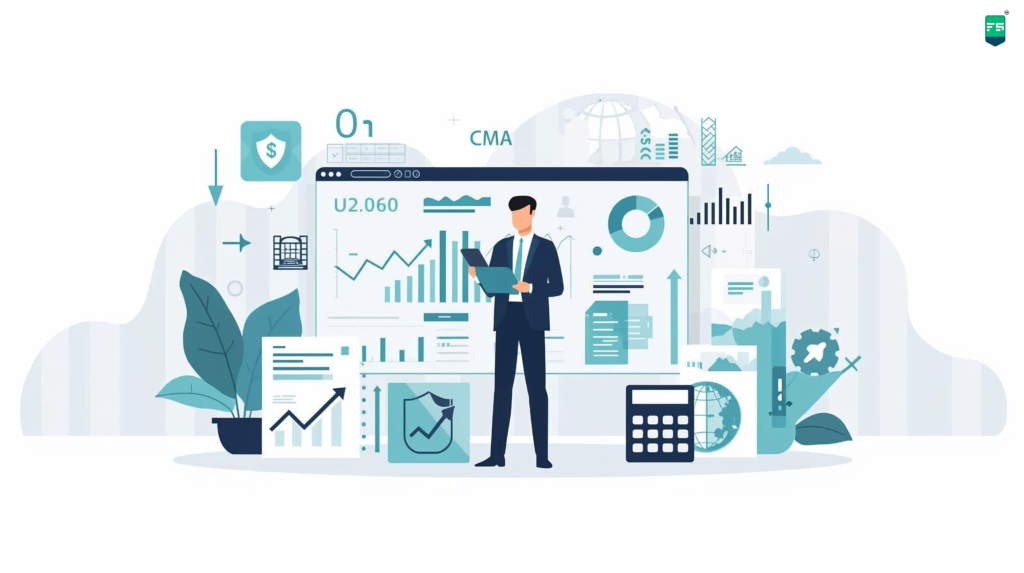
Instead of presenting lengthy financial statements, CMAs now communicate trends, risks, and opportunities through dashboards and visual tools. This ability to bridge data with decision making is what differentiates high impact CMAs in digitally transformed organizations.
The US CMA qualification strongly emphasizes analytics, performance evaluation, and strategic thinking, making it highly relevant for ERP driven finance roles.
Internal Controls and Risk Management in a Digital Environment
Automation does not reduce the importance of controls. It changes their nature. In ERP driven environments, controls are embedded into workflows. Approvals, access rights, segregation of duties, and audit trails are all system enforced.
CMAs must understand how these digital controls work and how system configurations impact financial accuracy and compliance. In addition, cybersecurity and data governance have emerged as major financial risks. CMAs now collaborate closely with technology and risk teams to ensure that digital systems protect sensitive financial information while meeting regulatory requirements.
This expanded risk management responsibility aligns naturally with the CMA’s role in enterprise risk management.
A Personal Perspective on the Digital Shift
Across multiple organizations, a clear pattern has emerged. Finance teams that embraced ERP and digital transformation became more visible, influential, and strategic. Those that resisted change remained stuck in manual processes and struggled to keep up with business expectations.
The difference was not experience or capability. It was mindset. CMAs who viewed ERP as an opportunity rather than a disruption found themselves involved in leadership discussions and transformation initiatives. Digital transformation does not replace CMAs. It elevates those who adapt.
Why US CMA Is Ideal for the Digital Finance Era
Unlike traditional accounting qualifications, the US CMA focuses on management accounting, strategy, performance management, and risk. These areas are critical in a digital finance environment.
This is why many professionals pursuing ERP driven finance roles choose the US CMA pathway. Institutes like FinStreet Education prepare candidates for modern finance careers by combining CMA concepts with practical business and strategic understanding.
You can explore their programs here.
FinStreet Education official website
https://finstreeteducation.com/
US CMA course with expert mentorship
https://finstreeteducation.com/us-cma-course/
Free US CMA career webinar
https://finstreeteducation.com/us-cma-webinar/
FinStreet focuses on helping finance professionals transition from traditional accounting roles to strategic, digitally enabled positions.
Career Opportunities for Digitally Skilled CMAs
ERP and digital transformation open new career paths for CMAs, including roles in finance business partnering, financial planning and analysis, digital finance leadership, ERP functional consulting, and performance management.
Organizations increasingly value CMAs who understand both financial logic and digital systems. This combination creates a powerful career advantage in a competitive job market.
How CMAs Can Prepare for the Future
To remain relevant, CMAs must commit to continuous learning. Understanding ERP fundamentals, building analytics capabilities, improving communication skills, and staying informed about digital risks are all essential.
Pursuing a globally recognized qualification like the US CMA through FinStreet Education helps professionals build these capabilities while opening doors to international career opportunities.
Conclusion
ERP systems and digital transformation are redefining the finance function. The CMA role is evolving from operational reporting to strategic leadership. Those who embrace technology, analytics, and strategic thinking will find themselves at the center of business decision making.
For professionals ready to adapt, this is the most exciting time to be a US CMA. The tools are changing, but the objective remains the same. Creating value, managing risk, and driving performance in a digital world.