
Why ACCA Candidates Get Hired Faster: What Makes Them Stand Out


Introduction
In today’s fiercely competitive finance and accounting job market, employers are constantly on the lookout for candidates who are not just good with numbers but can also translate those numbers into actionable business insights. Among all the professional qualifications available, ACCA, or the Association of Chartered Certified Accountants, has emerged as one of the most respected credentials. ACCA candidates are often observed to get hired faster, climb the career ladder more efficiently, and secure roles that demand strategic thinking. But what makes ACCA professionals so desirable?
It’s not just the syllabus or the international recognition. It is the combination of technical expertise, practical application, global standards, ethical grounding, and strategic mindset that makes ACCA candidates stand out from the crowd. Whether it’s a multinational corporation looking for a management accountant, a fintech startup in need of a financial analyst, or a global consulting firm hiring auditors, ACCA professionals are consistently preferred, often leading to quicker recruitment timelines and better career opportunities.
Comprehensive Technical Knowledge
One of the primary reasons ACCA candidates get hired faster is their strong technical foundation. The ACCA curriculum is designed to cover almost every aspect of finance and accounting, including financial reporting, management accounting, taxation, audit, and corporate law. Unlike some other professional courses that focus heavily on either auditing or compliance, ACCA balances theory with practical application. Candidates learn to prepare, analyze, and interpret complex financial statements, assess risks, and make decisions based on data.
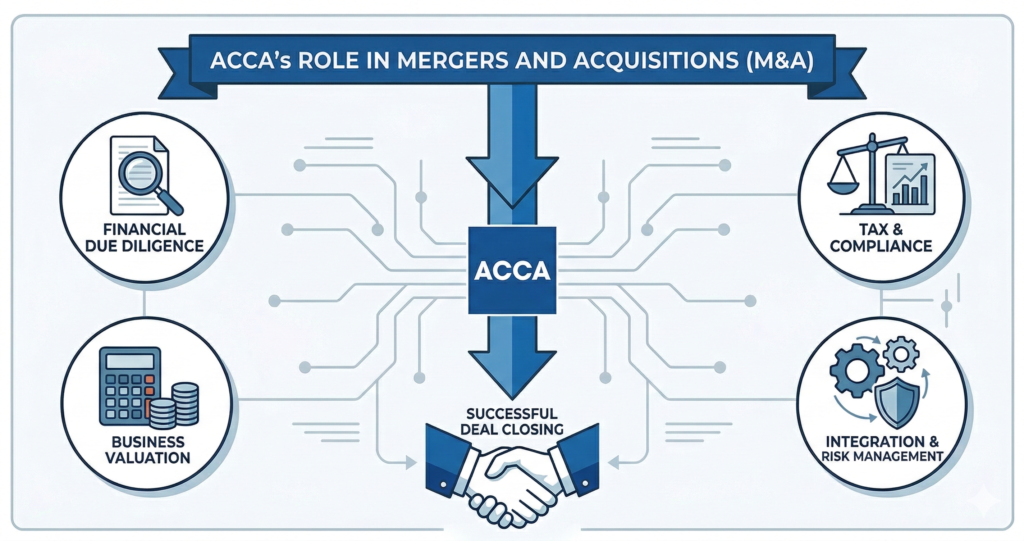
This comprehensive knowledge equips ACCA professionals to handle complex assignments from day one, reducing the need for extensive training. For instance, a candidate joining a multinational company in India with ACCA qualifications is already familiar with IFRS standards, ethical guidelines, and management accounting principles. They can immediately contribute to tasks such as preparing consolidated financial reports, analyzing variances, and even advising management on cost-saving strategies. This ability to hit the ground running is a major reason why companies prefer ACCA candidates over others who may have a narrower scope of expertise.
Global Recognition and Mobility
Another significant advantage is the global recognition of the ACCA qualification. ACCA is recognized in over 180 countries, making it a truly international credential. Employers hiring ACCA candidates know that the individual has been trained to meet international standards, which is especially valuable for companies with operations across multiple countries.
For instance, an ACCA-qualified finance professional from India or Nigeria can seamlessly apply for roles in the UAE, Singapore, or the United Kingdom because their knowledge aligns with global accounting and auditing standards. This mobility is particularly appealing to multinational corporations that require employees capable of managing finance and reporting in global contexts. The widespread recognition also instills a sense of confidence in employers, making them more likely to hire ACCA professionals quickly rather than spend additional resources on training them for international compliance standards.
Practical Application Over Theory
Perhaps the most distinctive feature of ACCA is its emphasis on practical, scenario-based learning. Unlike many traditional courses, ACCA exams are not solely about memorizing formulas or standards. Candidates are assessed on their ability to apply knowledge in real-world situations. They are trained to analyze business problems, interpret financial data, and make decisions that impact organizational performance.
Consider a company looking to expand into a new market. An ACCA candidate can evaluate the financial feasibility, assess risks, forecast cash flows, and suggest strategic pricing—all based on practical tools they learned during their studies. This focus on application over rote learning ensures that ACCA professionals are ready to add value immediately, which naturally speeds up the hiring process. Employers see them as problem-solvers rather than mere accountants, and this makes them a highly attractive talent pool.
Strategic Mindset and Decision-Making Ability
ACCA candidates are trained not just to report numbers but to interpret them and make strategic business decisions. They understand how financial insights link to business goals, operational efficiency, and profitability. This strategic mindset is often missing in candidates from more traditional accounting backgrounds, where the focus may be limited to compliance or bookkeeping.
For example, a finance manager with ACCA qualifications is expected to identify unprofitable product lines, suggest cost-cutting measures without impacting quality, and advise on optimal capital allocation. This ability to influence business outcomes goes beyond the role of a typical accountant, positioning ACCA candidates as strategic partners in decision-making. Companies recognize this value, which is why ACCA candidates are often hired faster and promoted more quickly.
Ethical Training and Professionalism
The ACCA syllabus places a strong emphasis on ethics and professional conduct. In an era where corporate fraud and financial misreporting make headlines regularly, employers value candidates who are grounded in ethical principles. ACCA candidates learn to navigate complex business decisions while adhering to ethical standards, which builds trust with employers.
For instance, when auditing or evaluating investment opportunities, an ACCA professional is trained to identify potential conflicts of interest, assess risks transparently, and ensure accurate reporting. This combination of technical competence and ethical awareness makes them highly dependable, and organizations are often keen to hire them over candidates who may lack formal ethical training.
Adaptability Across Industries
ACCA-qualified professionals are not limited to one type of role or sector. They are equally effective in corporate finance, auditing firms, banking, consulting, and even startups. This versatility makes them highly employable. Organizations seeking professionals who can adapt to diverse environments and take on multiple responsibilities are more likely to hire ACCA candidates quickly.
A finance team at a multinational company, for example, may need someone who can handle everything from variance analysis and budgeting to preparing consolidated financial statements for international subsidiaries. ACCA candidates are trained for this breadth of responsibility, making them a perfect fit for demanding roles and speeding up the hiring process.
Real-Life Example
Consider Anika, an ACCA-qualified professional in Singapore. After completing her exams, she applied for a mid-level financial analyst role at a global consulting firm. Within two weeks, she received an offer. Her hiring manager highlighted that her ability to interpret complex financial statements, perform scenario-based analysis, and suggest actionable insights made her stand out immediately. This quick recruitment was not just about her exam credentials but about the value she could bring to the business from day one.
Platforms like Finstreet provide ACCA aspirants with structured preparation, practical case studies, and mock exams to enhance their problem-solving and analytical skills, ensuring they are ready for these real-world challenges. (https://www.finstreet.in)
Conclusion
ACCA candidates get hired faster not merely because of their certification, but because they bring a combination of technical expertise, global recognition, practical application skills, ethical grounding, and strategic thinking to the table. Employers see them as ready-to-contribute professionals who can add value immediately, adapt to multiple roles, and influence business outcomes.
For aspiring finance professionals, this highlights an important lesson: success is not just about earning a certificate but about developing skills that are relevant, applied, and globally recognized. By choosing ACCA and preparing strategically, candidates can accelerate their career growth, achieve early hiring success, and position themselves as key contributors in any finance team.